

If you’ve just booked a corporate headshot session and your first thought was “what on earth do I wear?”, you’re in very good company. Wardrobe is one of the most common sources of pre-shoot stress, and it doesn’t need to be. The right choices are simpler than most people expect, and with a little guidance, you can arrive at your session feeling confident and prepared rather than second-guessing yourself in front of the mirror.
This guide covers everything you need to know: the colors that photograph best, practical advice for both men and women, the most common mistakes to avoid, and how many outfits to bring. If you’d like personal guidance specific to your session, Gorn Photo offers a pre-shoot consultation as part of the booking process, it’s the most efficient way to take the guesswork out of the day entirely.
The Golden Rules of Headshot Wardrobe
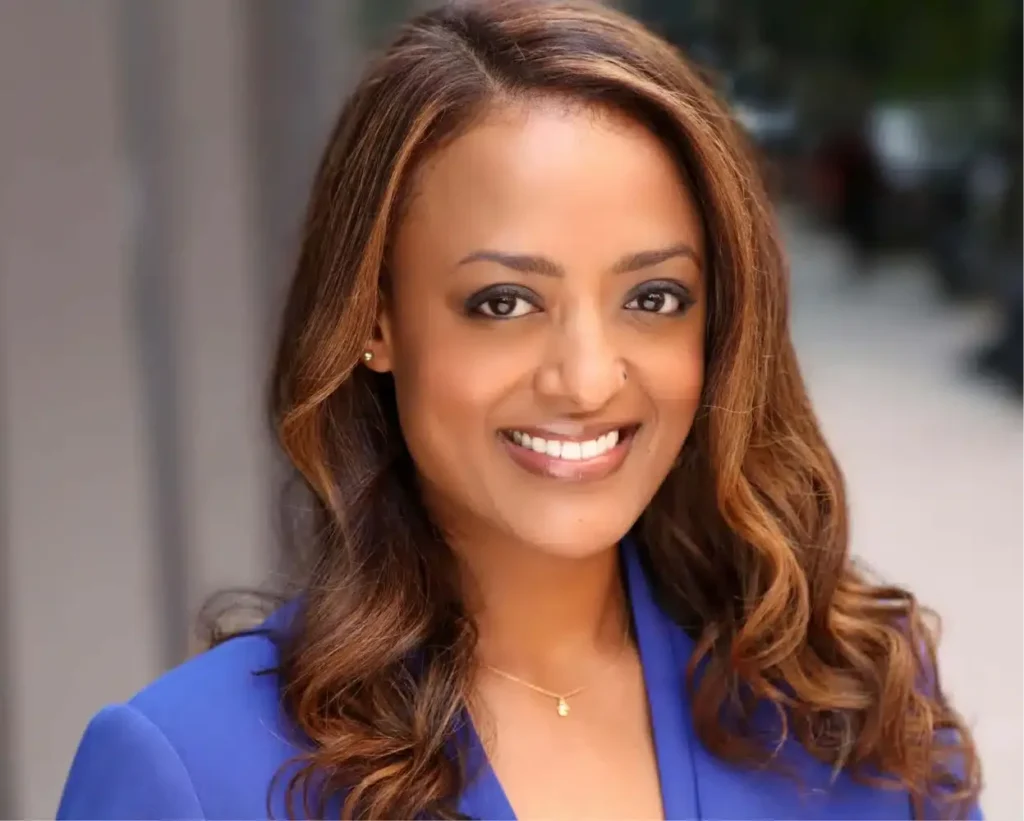
For corporate headshots, solid colors in navy, charcoal, deep burgundy, or forest green tend to photograph best. Well-fitted, professional clothing in classic cuts frames the face without distraction. Avoid busy patterns, bold graphics, and overly casual or overly formal clothing that doesn’t reflect how you present yourself professionally day-to-day.
Those guidelines cover most situations on their own. But understanding why they work makes every other wardrobe decision easier.
Principle 1, The Face Is the Subject, Not the Clothing
Everything in a professional headshot exists to support one thing: your face. Your expression, your eyes, the confidence you project, that’s what the image is there to communicate. Clothing that draws the eye away from your face, busy patterns, bold logos, heavily embellished necklines, distracting accessories, is working against the purpose of the image, however much you love the item. Simple, well-fitted clothing that frames the face is always the right instinct.
Principle 2, Wear Something That Represents How You Actually Show Up Professionally
The most common wardrobe mistake isn’t wearing the wrong color or the wrong cut. It’s dressing for a version of yourself that doesn’t match how you present professionally day-to-day.
A startup founder who shows up in a three-piece suit will look like they’re trying too hard. A senior finance director in a casual t-shirt will look like they haven’t taken the session seriously. Your headshot should look like you, the most intentional, polished version of how you actually present in professional settings. If you’d never wear a tie to a client meeting, don’t wear one for your headshot. If you always wear a blazer, wear a blazer.
Principle 3, Fit Matters More Than Brand or Price
A well-fitted, affordable blazer will photograph better than an expensive one that pulls at the shoulders or bunches at the back. Clothing that fits properly signals confidence and professionalism without the viewer consciously noticing the garment at all. When something fits well, the eye goes straight to the face. When it doesn’t, the eye goes to the fabric. If something you love doesn’t currently fit perfectly, this is a good reason to have it altered before your session.
Best Colors for Corporate Headshots
Color is the single most-searched aspect of headshot wardrobe, and one of the areas where people most often get overthinking themselves into trouble. The good news is that there are more colors that work well than colors that don’t.
Colors That Photograph Consistently Well
Navy is the near-universal winner. It’s flattering across virtually every skin tone, it reads as professional without being severe, and it works in every industry from finance to tech to healthcare. If you’re not sure what to wear, start with navy.
Charcoal grey is similarly reliable, it creates strong contrast without the heaviness that pure black can sometimes bring, and it pairs naturally with most skin tones and hair colors.
Deep, rich tones, burgundy, forest green, plum, deep teal, tend to photograph beautifully under studio lighting. They create warmth and depth without competing with the face, and they stand out from the sea of navy and grey in a way that reads as intentional rather than distracting.
Soft white and off-white can work well, but need consideration for background color. Against a white or very light grey studio background, a white top can cause the shoulders to blend into the background. Against a darker backdrop, it works beautifully.
Colors That Work in the Right Context
Black is a popular choice and can be excellent, particularly for professionals in creative industries or anyone who typically wears it as a professional signature. Under studio lighting, it can occasionally feel heavy depending on skin tone and the background being used. It’s worth bringing but not relying on exclusively.
Bright red makes a strong visual statement and can work very well for professionals whose brand calls for it. It demands attention, which is either an asset or a liability depending on your goals and your industry.
Jewel tones, emerald, sapphire, deep gold, are particularly flattering for a wide range of skin tones and can produce some of the most striking headshot results. If you have a jewel-tone option in your wardrobe that you feel confident in, it’s worth bringing.
Colors to Approach With Caution
Very pale pastels can wash out under studio lighting, particularly against light backgrounds. Pure white against a white background risks disappearing entirely. Neon or highly saturated bright tones tend to draw the eye immediately and consistently, which pulls attention away from the face. None of these are absolute rules, your photographer will tell you what’s working in the room, but they’re worth bearing in mind when you’re packing your options.
What to Wear for Corporate Headshots: Men’s Guide
Suits and Blazers, When Each Is Right
A well-fitted suit, with or without a tie, depending on your industry, is the most versatile choice for a corporate headshot. Navy, charcoal, and mid-grey suits work particularly well under studio lighting. Dark suits tend to look stronger than very light grey, which can sometimes read as pale under flash.
If your professional environment is less formal, a structured blazer with a collared shirt is an excellent alternative. It reads as polished and intentional without the formality of a full suit, well-suited to tech, creative, entrepreneurial, and startup contexts. A sport coat with a simple blue or white shirt is a strong middle-ground option for professionals whose daily attire sits somewhere between formal and casual.
The Tie Question
Whether to wear a tie is one of the questions we hear most often, and the honest answer is: it depends on your industry and your role.
In finance, law, consulting, and senior corporate roles, a tie can add authority and communicate the level of formality your position warrants. In tech, creative, and startup environments, a tie can sometimes feel more performative than authentic, as if you’re dressing up for the camera rather than showing up as yourself.
When genuinely uncertain, bring the tie and decide at the session. Lev Gorn will tell you immediately what’s working. A Gorn Photo session includes that kind of practical direction as standard, you’re not expected to arrive with every decision made.
Shirts, Collars, and Details
Solid colors work best, white, light blue, pale pink, and mid-blue are all strong choices. Very subtle patterns (a fine micro-check or a thin stripe with plenty of white space between stripes) can also work well. What to avoid: bold checks, thick stripes, and any tight regular pattern that can create a moiré effect under studio lighting, a visual interference pattern that looks very different from how the fabric reads in person.
Arrive with the collar properly buttoned and the shirt fitting well through the shoulders and chest. A properly fitted shirt with a correctly buttoned collar reads as intentional and professional. Bring at least one backup in a different color, what looks right at home sometimes looks different under the lights.
Grooming Notes for Men
Arrive well-groomed and freshly shaved, or with your beard neatly trimmed to how you typically wear it. This is not the moment for a new look, your headshot will represent you for years, and it should look like the version of you that shows up to important professional moments, not a special-occasion departure from it.
Hair should be styled as it is for significant meetings or presentations. Makeup for men, typically a light application to reduce shine and even out skin tone, is available as an add-on ($250) and is more common than most clients expect. It makes a noticeable difference in the final images, particularly for professionals whose headshots will appear in high-resolution contexts.
What to Wear for Corporate Headshots: Women’s Guide
Tops, Jackets, and Necklines
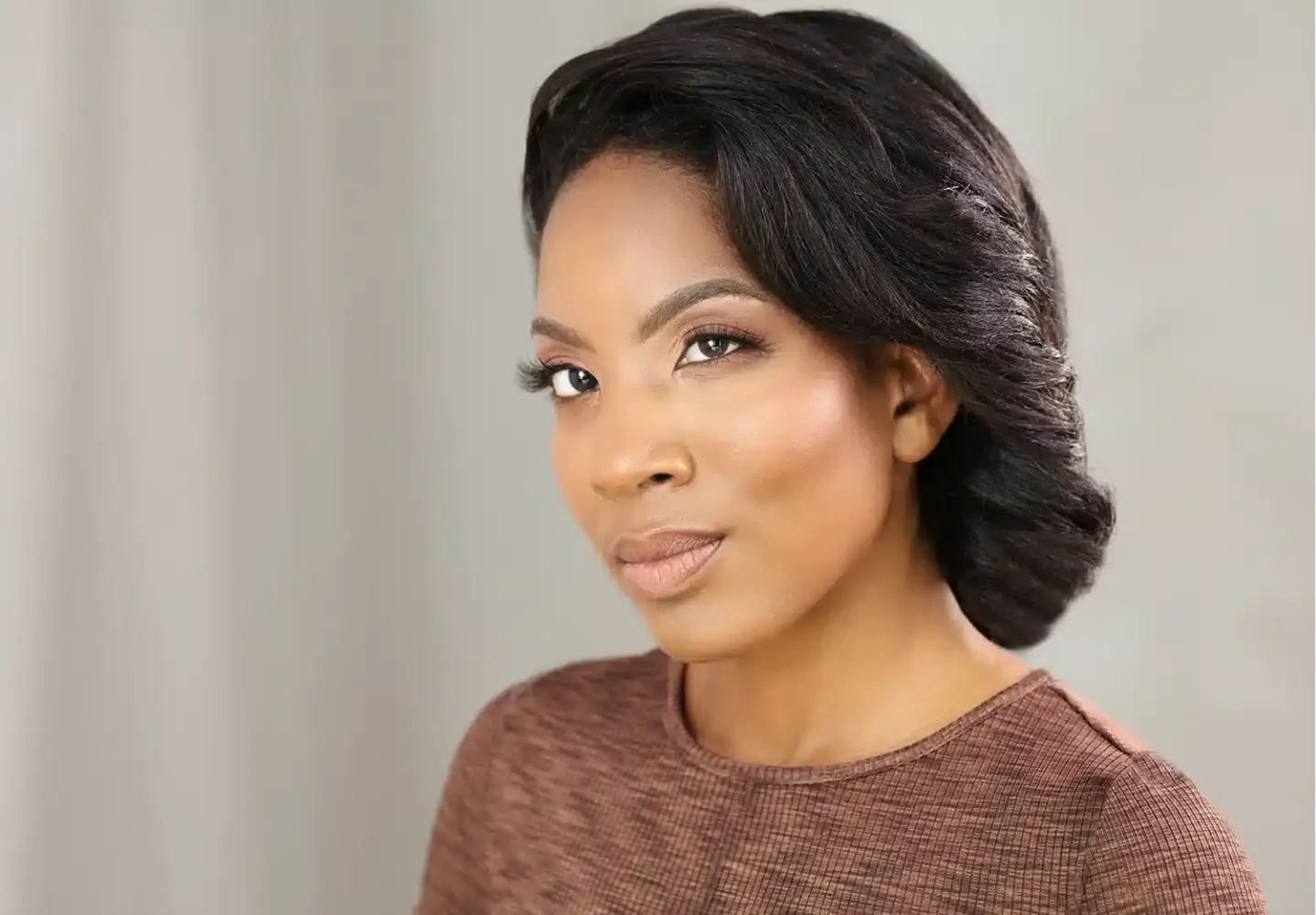
A structured blazer or jacket is the most reliable foundation for a corporate headshot. It frames the face, creates a clean shoulder line, and photographs consistently well across industries. It also gives you flexibility within a single session, the same blazer with different items underneath can produce meaningfully different looks.
Simple, classic necklines tend to work best: V-neck, crew neck, and boat neck all create a clean frame for the face without drawing attention to themselves. Very low necklines can read as distracting or informal in a professional context. Turtlenecks, while classic, need to be considered against the background color, a black turtleneck against a dark background can cause the neck to disappear. Heavy embellishment at the neckline, beading, ruffles, large collars, tends to pull the eye downward and away from the face.
For more detailed guidance, take a look at our professional headshot tips for women in business.
Patterns and Prints
Solid colors are the safest and most versatile choice. Fine, subtle patterns, a delicate print, a thin pinstripe, a small-scale texture, can work beautifully if the scale is small and the contrast is low. Bold florals, large graphic prints, and high-contrast patterns tend to dominate the frame and compete with the face.
That said, if a particular patterned item is a genuine signature of how you present professionally, a piece that feels authentically you, bring it alongside a solid backup. Your photographer can tell you in the room whether it’s working.
Jewellery and Accessories
Classic, understated jewellery reads best in most corporate headshot contexts. Small earrings, a simple necklace, a watch or a subtle bracelet all add polish without drawing attention. Statement pieces can work if they’re genuinely part of your professional identity, a distinctive piece that’s recognisably yours tells a story, which is different from hardware that simply competes with the face.
What to avoid: large hoops or chandelier earrings that extend below the chin line, heavily reflective pieces that catch studio light strongly, and anything that creates movement or visual noise in the frame.
Makeup for Headshots
A natural, polished makeup look that matches how you present professionally day-to-day is the goal. Camera lighting, particularly studio flash, is stronger than natural or office light, which means makeup that looks balanced in an everyday setting can appear lighter on camera. Slightly more defined brows, a matte or semi-matte foundation (to reduce shine), and defined lips tend to translate better under studio conditions than very natural or minimal looks.
Gorn Photo’s professional makeup and hair artist service ($350 for women) is specifically designed for this. The artist understands how makeup translates under studio lighting, and stays for the full session to make adjustments throughout, ensuring that what looks right in the mirror also looks right on camera. For more detailed guidance on makeup for headshots, see our insider headshot makeup tips.
What to Avoid, The Most Common Wardrobe Mistakes
Patterns That Create Moiré or Visual Buzz
Fine herringbone, tight regular checks, and thin repetitive stripes can create a visual interference pattern under camera conditions, a shimmering, buzzing effect that looks nothing like the fabric does in person. If you’re unsure about a pattern, a quick test: photograph it under artificial light with your phone and zoom in. If it buzzes or shimmers on screen, leave it at home.
Logos, Brand Names, and Graphic Text
Visible logos and graphic text immediately pull the eye, date the image, and limit where it can be used. Unless the brand is your own and the placement is intentional, solid colors or very subtle patterns are far more versatile for a headshot that needs to work across multiple contexts for several years.
Clothing That Doesn’t Fit Properly
Pulling fabric, a loose collar, bunching shoulders, or anything that requires constant adjusting will be visible in the images. The camera notices fit in a way that mirrors sometimes don’t. If something you love doesn’t currently fit perfectly, have it altered before your session, or bring a backup that fits well and use the better-fitting option.
Here’s a quick reference for everything covered above:
Category | ✓ Do wear | ✕ Avoid |
Colors | Navy, charcoal, deep burgundy, forest green, jewel tones | Neon, very pale pastels, white against white backgrounds |
Patterns | Solid colors, fine micro-patterns, subtle pinstripes | Bold checks, tight herringbone, thick stripes, logos, graphic text |
Fit | Well-tailored, properly fitted clothing | Anything that pulls, bunches, or needs constant adjustment |
Men, suits | Navy or charcoal suit, structured blazer with collared shirt | Shiny fabrics, very pale grey suits, poor shoulder fit |
Men, shirts | Solid colors, subtle patterns, properly buttoned collar | Open collars on formal shirts, bold graphic shirts |
Women, tops | Structured jackets, blazers, simple classic necklines | Very low necklines, heavy neckline embellishment |
Women, jewellery | Small earrings, simple necklace, subtle watch or bracelet | Large hoops, chandelier earrings, heavily reflective statement pieces |
Grooming | Natural professional look matching your everyday presentation | Heavy or theatrical makeup, hair styled unlike your everyday look |
Quantity | 2–3 options including one formal and one more relaxed | Just one outfit with no backup |
These are practical guidelines, not absolute rules. Your photographer will guide you through what’s working in the room. If you’re unsure about any choice, the pre-shoot consultation is the right place to raise it.
How Many Outfits Should You Bring?
The short answer is: more than you think you need.
What looks right in a mirror at home can look different under studio lighting. A color that seemed perfect might work better with a different backdrop choice. Something you were less confident about might photograph beautifully. Having two or three options, ideally including at least one more formal choice and one more relaxed option, means the session can adapt to what’s actually working rather than being constrained by what you packed.
You don’t have to use all of them. But having them available means you leave the session knowing you made the most of your time.
Use the Pre-Shoot Consultation to Plan Ahead
If you’d like personal guidance on your wardrobe choices before the day, Gorn Photo offers a pre-shoot consultation as part of the booking process. You can discuss what you’re planning to bring, ask about colors relative to your skin tone and the typical background options, and arrive at the session with a clear plan rather than a bag full of uncertainty.
It’s the most efficient way to take the guesswork out of the preparation entirely, and it’s the kind of practical support that makes a real difference in how relaxed and confident you feel when the session begins. To find out more about what’s included in each package, see our corporate headshot packages and rates.
What to Expect on the Day at Gorn Photo
One of the most useful things to know before a headshot session is this: you don’t have to get everything perfect in advance. Gorn Photo sessions are actively directed throughout, and that includes wardrobe.
Lev Gorn coaches every client through the session from start to finish. If something isn’t working as expected under the studio lights, you’ll know immediately and can change. If the first outfit is producing great results and you want to try the second, the session accommodates that. The goal is to use the time you have in the most productive way possible, and that’s a collaborative process, not a performance you’re expected to deliver solo.
If you’ve opted for the professional makeup and hair artist service, the artist remains on set for the full session, making adjustments as needed to ensure that everything looks its best in every image, not just the first few frames.
You’re More Prepared Than You Think
The truth is, most people arrive at a professional headshot session better prepared than they realise. You know how you present professionally. You have clothing in your wardrobe that reflects that. This guide gives you the framework to make intentional choices from what you already own, and to arrive at your session ready to focus on the part that matters most: showing up as the most confident, natural version of your professional self.
Don’t leave your first impression to chance. Reach out to Gorn Photo to schedule your session, and let us take care of the rest.
View our corporate headshot packages and rates → Prepare for your session → Schedule a free consultation →