

Casting directors in New York City see hundreds of headshots every week. Most of them never get a second look. That’s not because the actors behind them lack talent. It’s because their photos don’t communicate the right thing fast enough. In a city this competitive, your headshot isn’t just a photo -: it’s your first audition. It either gets you in the room or it doesn’t.
So what separates the headshots that work from the ones that get scrolled past? The answer comes straight from the people doing the selecting.


The One Thing Every Casting Director Agrees On
Ask any casting director what makes a great actor headshot and you’ll hear the same answer, worded a dozen different ways-: it has to look like you. Not a better version of you. Not a more polished or dramatically lit version of you. You the person who is going to walk through the door when you get called in.
Casting director Benton Whitley of Stewart/Whitley put it simply in an interview with Backstage-: your headshot should reflect your personality and what sets you apart. If you’re quirky, that should come through. If you’re not the smoldering dramatic type, don’t photograph like one.
Daryl Eisenberg, CSA, summed it up even more directly in a survey of New York theatrical casting directors-: “Your headshot should look like the person that will walk in the audition room or show up on set. Nothing else matters.”
That’s the foundation. Everything else builds on it.
Your Castability Has to Come Through Immediately
Casting directors are not looking at your headshot the way you do. They’re scanning a wall of tiny thumbnails on a digital casting platform-: Actors Access, Casting Networks, or an agent submission-: and making instant decisions. In that context, your photo needs to communicate your type at a glance. Not your range. Not your training. Your type.
Are you the dependable neighbor, the sharp edged attorney, the charming romantic lead, the nervous intern? Casting directors need to see this in your eyes, your expression and the overall feeling of the image before they click anything. This is why a “nice photo” from a good general photographer is rarely enough. Actor headshots in NYC require a very specific kind of communication that most portrait photographers don’t understand. The best casting headshots are the ones where your type is unmistakable.
The Eyes Are Non Negotiable
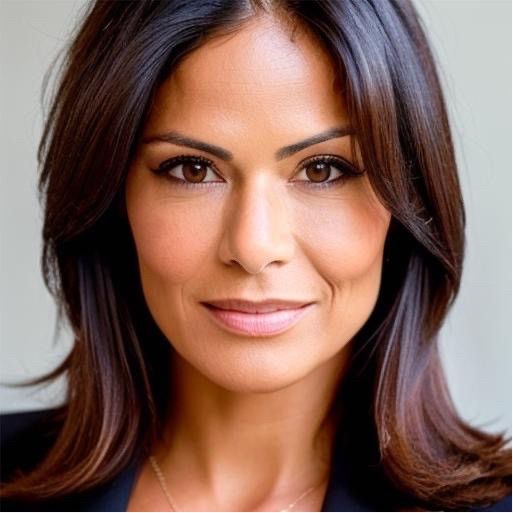
If there’s one technical element casting directors consistently prioritize, it’s the eyes. This is why full body shots are a firm no for acting headshots. Casting directors want to see the face clearly. They want to read the eyes. A photo where the eyes are lost in shadow, slightly out of focus, or too far from the frame to read easily is a photo that gets passed over. A tight crop head and shoulders, occasionally to mid chest puts the eyes where they belong-: front and center. The background, clothing and setting should all support the eyes, not compete with them.
What “Natural” Actually Means for Your Expression
“Look natural” is the most overused phrase in headshot photography and it confuses a lot of actors. Natural doesn’t mean relaxed to the point of looking bored. It doesn’t mean a manufactured smile. It means an expression that feels like you’re thinking something something real. The casting directors surveyed by Bway Headshots cited over retouched headshots as one of their biggest pet peeves. Heavy retouching gives your face an artificial smoothness that reads immediately as fake and makes it harder for them to picture you in a role.
Light retouching evening out skin tone, removing a temporary blemish is standard. Softening your features until you look like a slightly different person is not. Casting directors want to see what you’ll actually look like on camera.
Your Type, Not Just Your Face
Here’s a distinction that catches a lot of actors off guard-: your headshot isn’t primarily about looking attractive. It’s about looking castable. Beautiful and castable are not the same thing. A stunning photo that doesn’t tell casting directors what roles you play is still a photo that gets set aside.
Castability comes from specificity. The wardrobe you choose, the expression you bring, even the location and lighting style all of these should point toward the kinds of roles you actually book. A commercial friendly look is bright and approachable. A dramatic series look is more textured and character driven. Most working actors in New York maintain multiple headshots for different casting categories.
What Casting Directors Notice About Wardrobe
Clothing is one of the first things a casting director reads, even before they consciously register it.
The general rule-: wear something you’d realistically wear to the type of audition you’re targeting. If you’re pursuing commercial roles, a clean, well fitted solid color top reads well. If you’re aiming at prestige drama or character work, slightly more specific wardrobe choices help signal your type.
What to avoid-: busy patterns, large logos, distracting prints and anything that competes with your face. The color of your top should complement your skin tone and eye color, not wash you out or pull focus.
The Backstage guide on actor headshots advises bringing multiple outfit options so your photographer can help you choose what works best on camera not just in the mirror.
Studio vs. Outdoor-: Does It Matter?
According to industry surveys, casting directors don’t have a strong preference for studio versus outdoor backgrounds. What they care about is that the image is clear, well lit and easy to read at any size. Studio headshots offer controlled lighting and a clean, timeless background. Outdoor headshots in New York can bring a sense of energy and personality the depth of a blurred street or park gives the image a cinematic quality that works well for certain types and genres. Many actors in New York choose to shoot both and use different images for different submission categories.
How Quickly Your Headshot Needs to Work
Agents and casting directors using digital platforms like Actors Access see your headshot at thumbnail size first. If it doesn’t read clearly at that scale if the eyes aren’t visible, if the contrast is too low, if the image is too dark you won’t get clicked.
Portrait (vertical) orientation is strongly preferred for practical reasons-: an overwhelming 58% of casting directors surveyed preferred vertical layouts and not a single one preferred landscape. The reason is practical at the end of callbacks, casting directors scan and email headshots to producers and a portrait layout makes that far easier. 100% of casting directors in the survey also said they want to see the actor’s name on the front of the headshot. It’s an industry standard and skipping it signals to some casting directors that you’re not yet familiar with how the business works.
When Your Headshots Stop Working and Why You Need New Ones
One of the most common mistakes actors make is holding onto headshots too long. If your appearance has changed “hair, weight, age” your headshot needs to reflect that. Casting directors get frustrated when someone walks into an audition looking noticeably different from their photo.
A useful rule of thumb is to update your actor headshots every one to two years, or sooner if you go through a significant look change. If you’re not getting called in for the roles you’re right for, outdated photos are often the first thing to examine.
What Sets NYC Actor Headshots Apart from Everywhere Else
New York casting standards are specific. This isn’t Los Angeles, where the commercial friendly look often dominates. NYC casting covers Broadway theater, prestige television, independent film, network drama and commercial and the headshot expectations for each of these are different. Actors in New York generally need more than one headshot in circulation, covering their primary types. The city also moves faster-: submissions happen quickly and a headshot that doesn’t make an immediate impression doesn’t get reconsidered.
Finding a photographer who understands this who knows not just how to take a good photo but how casting actually works in New York makes a genuine difference to the quality of what you come away with.
Lev Gorn at GORNPHOTO approaches actor headshot sessions in NYC with a director’s eye rather than a portrait photographer’s. As a working actor with credits including FX’s The Americans, Apple TV+’s For All Mankind and Starz’s Raising Kanan, Lev’s understanding of what casting directors want comes from having sat across from them himself. He doesn’t just direct your pose he helps you find the right expression for your specific type, uses lighting designed for castability and works with you on wardrobe choices that signal the right roles.
Sessions are available in his Midtown Manhattan studio and outdoors across New York City, with same day turnarounds and packages starting at $425.
Frequently Asked Questions
How many headshots do actors in NYC need?
Most working actors in New York keep two to four headshots in rotation – typically a commercial look, a dramatic look and sometimes a character or theatrical look. The right number depends on how broad your casting range is and how many different submission categories you’re pursuing.
Should you smile in an actor headshot?
It depends on your type and the look you’re going for. Commercial headshots often benefit from a warm, open smile. Dramatic or character headshots usually call for a more neutral or expressive look that conveys interior life. The most important thing is that the expression feels genuine, not performed.
How often should actors update their headshots in NYC?
Every one to two years is a reasonable baseline, or any time your appearance changes significantly. If you’re actively submitting and not getting called in for appropriate roles, your headshots are a logical first thing to revisit.
What should actors wear for headshots?
Solid colors that complement your skin tone generally photograph better than patterns or prints. Wear something you’d genuinely wear to an audition for the roles you’re targeting – not your most formal outfit, not your most casual. The clothes should support the impression you want to make, not distract from your face.
Does background matter for actor headshots?
Less than most actors think. Casting directors care far more about the face, expression and clarity of the image than the background. What matters is that the background doesn’t compete with you – it should be clean, appropriately toned and out of focus enough to keep the attention on your eyes.