


Small offices can be some of the hardest places to photograph professional headshots.
You may have a great team, a polished office, and a busy schedule—but the space itself may not seem designed for photography. There might be limited floor space, large windows on one side, overhead fluorescent lights, glass walls, dark corners, or employees moving around in the background.
So how does a professional Headshot Photographer in NYC create clean, polished portraits in a small office?
The answer usually has less to do with finding a perfect room and more to do with knowing how to work with the space.

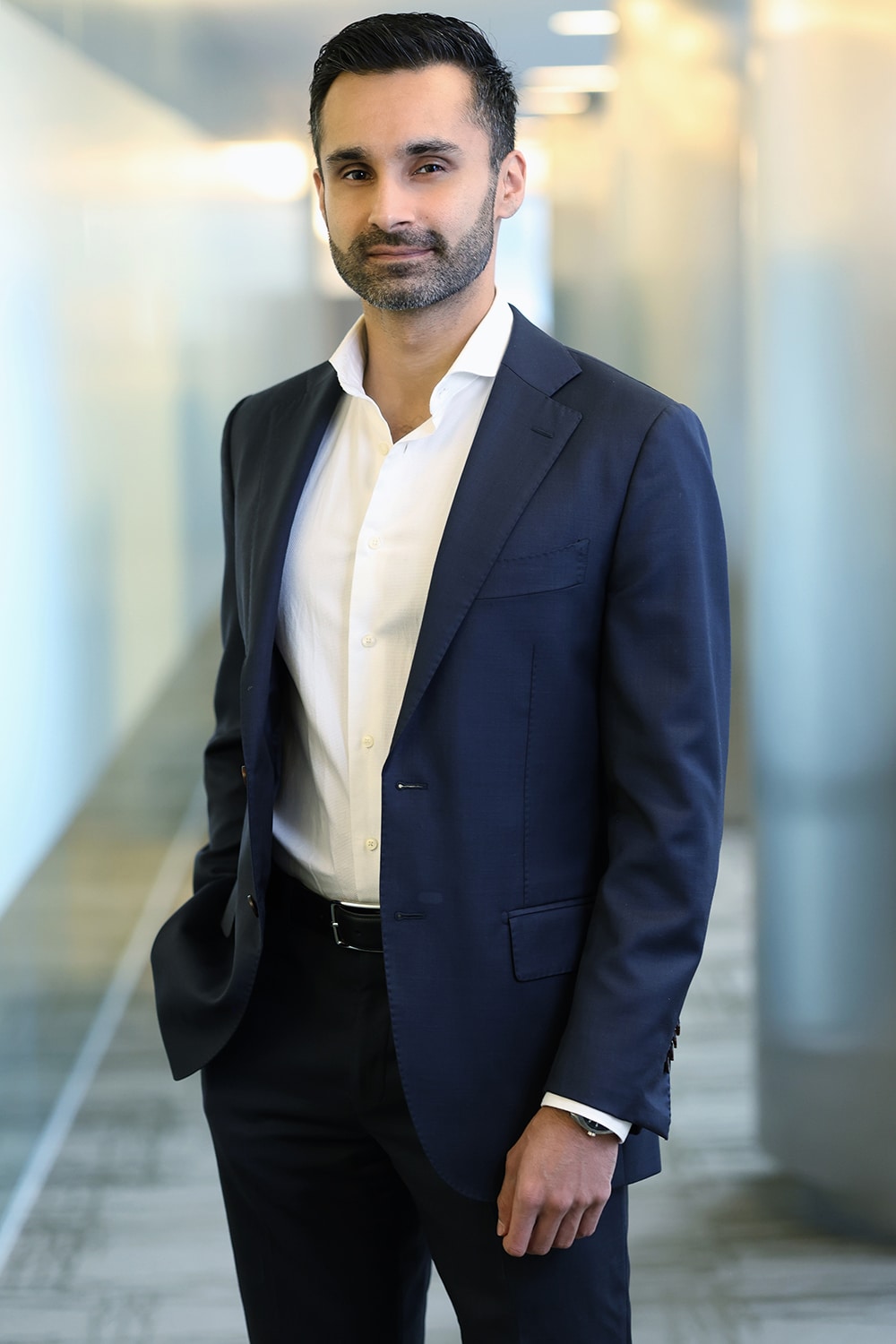
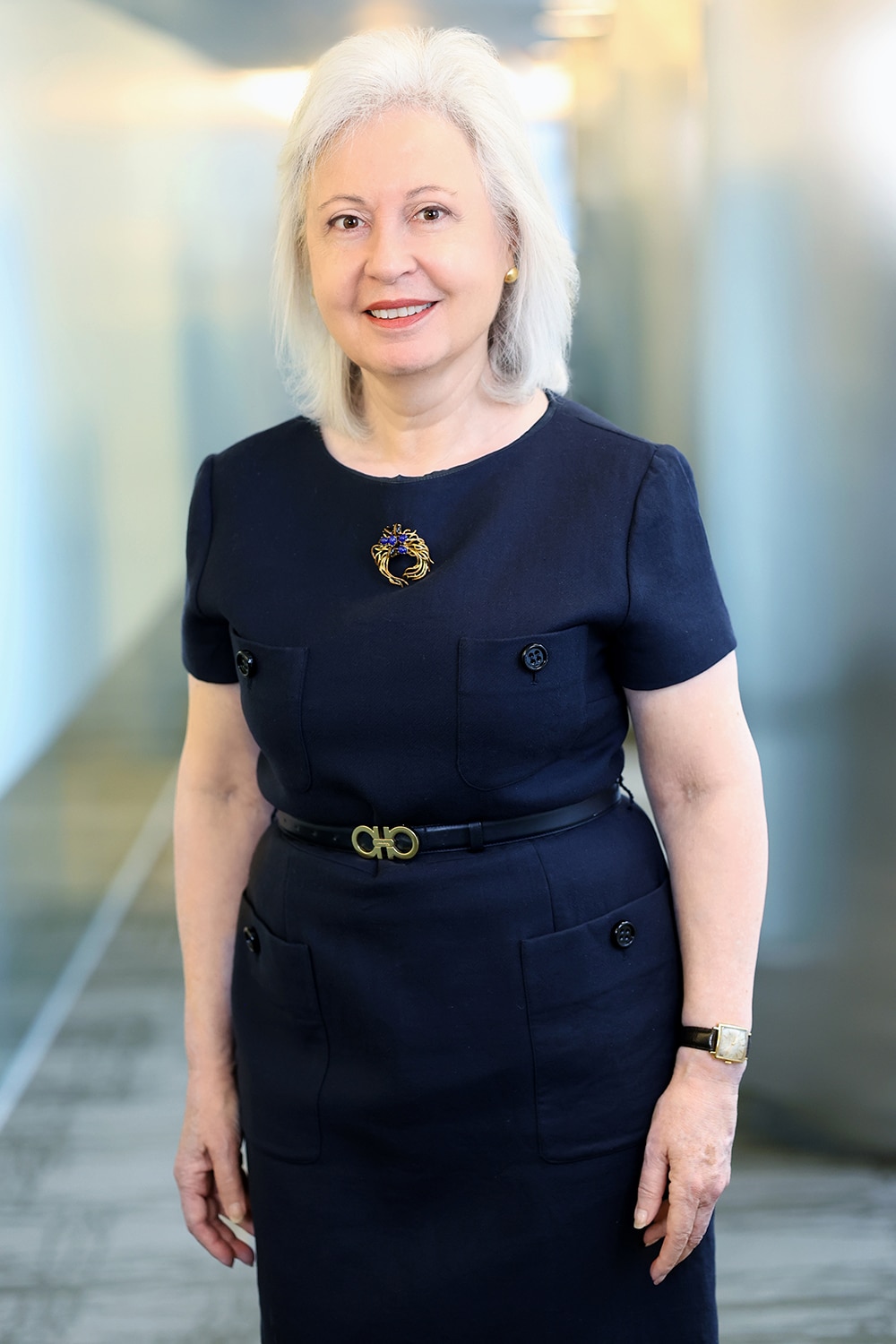
Why Small Offices Can Be Difficult for Headshots
A small office creates several challenges at once.
There may not be enough room to position the camera, subject, lights, and backdrop exactly where you would like them. Natural light can also change throughout the day, while overhead office lighting may create unwanted shadows or uneven skin tones.
Then there is the background.
A normal office might contain desks, monitors, chairs, glass partitions, artwork, cables, and other everyday details. These things are completely normal in a workplace, but they can easily distract from a professional portrait.
The goal is not necessarily to make the office disappear.
The goal is to control what the camera sees.
What Does a Photographer Look for When They Arrive?
Before taking the first photograph, an experienced photographer will usually assess the space.
That means looking at more than just where there is an empty wall.
Available Space
The photographer needs enough room for the person being photographed, the camera, lighting equipment, and any background or backdrop being used.
In a small office, even a few extra feet can make a noticeable difference.
The photographer may rearrange the setup rather than asking the company to completely reorganize its workspace.
Existing Light
Windows can be helpful, but natural light is not automatically better.
A window may create strong side lighting, uneven exposure, or changing brightness depending on the time of day.
The photographer needs to determine whether the existing light should be used, modified, balanced, or replaced with controlled lighting.
Background Distractions
A photographer also considers what will appear behind the subject.
A busy office can make a professional portrait feel cluttered. Sometimes the best solution is a simple background. In other situations, the office itself can provide useful context.
The decision depends on the company’s visual style and how the photographs will be used.
How Professional Lighting Helps in a Small Office
Lighting is one of the biggest differences between an ordinary office portrait and a professionally produced headshot.
A professional photographer can bring controlled lighting into the office rather than relying entirely on whatever light happens to be available.
GORNPHOTO specifically provides professional backdrop and lighting for its corporate headshot sessions, including on-location photography at client offices. Its approach also includes customizing lighting for the individual and creating lighting setups that can be recreated for future employees.
That matters when a company wants its team photographs to look like they belong together.
What Happens When an Office Has Almost No Space?
This is where experience becomes especially important.
A small office does not necessarily mean the photography session has to look cramped.
Instead of trying to create a large studio inside the office, the photographer can simplify the setup.
Use a Compact Lighting Arrangement
The lighting setup needs to fit the room.
In a tight space, the photographer may need to position lights carefully so they do not interfere with desks, walls, employees, or office traffic.
The goal is to create flattering, controlled light without requiring a large production footprint.
Control the Distance Between the Subject and Background
The distance between the person and the background can affect how the final image looks.
If the subject is standing directly against a wall, the photograph can feel flat.
When space allows, creating even a little separation can help the subject stand out from the background.
Simplify the Background
A professional headshot does not need to show the entire office.
Sometimes a small section of a clean wall or a professional backdrop is enough.
For corporate photography, a simple background can also make it easier to create consistent portraits across multiple employees.
Should You Use the Office’s Natural Light?
Sometimes.
But natural light should be treated as a tool, not a requirement.
A large window may provide beautiful light, but it can also create strong contrast or change throughout the session.
For a single environmental portrait, using the window may work beautifully.
For a team of 20 or 30 employees, however, consistency becomes much more important.
If everyone is photographed under changing natural light, the first person’s portrait may look noticeably different from the last person’s.
Controlled lighting gives the photographer greater consistency.
What About Harsh Overhead Office Lighting?
Most offices are designed for working—not portrait photography.
Overhead lights can create shadows beneath the eyes, nose, and chin. They can also contribute to an unflattering or flat appearance.
A professional photographer does not necessarily need to turn every office light off, but they should determine how those lights interact with the photography setup.
The goal is to make the subject’s face the visual priority rather than allowing the office’s existing lighting to determine the entire look.
Can a Small Office Still Look Professional?
Absolutely.
A professional headshot does not require a huge studio.
What matters is how the photographer handles the available space, lighting, background, composition, and subject direction.
In fact, an office can sometimes add something a studio cannot: context.
For certain businesses, having subtle elements of the workplace in the photograph can help communicate where the person works and what kind of professional environment they represent.
That can be particularly useful for company websites, personal branding, leadership pages, and business profiles.
GORNPHOTO offers both studio and on-location corporate headshots, allowing companies to choose between a controlled Midtown studio environment and photography at their own office.
When Is an Office Headshot Better Than a Studio Headshot?
There is no universal answer.
It depends on what the company wants the photographs to accomplish.
Choose an Office Session When Your Workplace Matters
An office session can make sense when the workplace is part of your company’s identity.
For example, a creative agency may want a more environmental look, while a growing company may want employees photographed in the setting where they actually work.
Choose a Studio When Consistency Is the Priority
A studio generally provides greater control over the environment.
That can be especially useful when you need a large team photographed with the same background, lighting approach, framing, and overall style.
GORNPHOTO’s Midtown studio provides controlled lighting and backdrop options, while its corporate team sessions can also be conducted at client offices.
Consider Both for Different Uses
Some companies may benefit from both approaches.
For example, employees could have consistent corporate headshots for the company website while leadership or marketing teams receive additional environmental portraits for branding and promotional materials.
The important thing is to decide what the photographs need to accomplish before choosing the location.
How Do NYC Photographers Keep Corporate Headshots Consistent?
Consistency becomes particularly challenging when a photographer is working with a team.
Employees have different heights, facial features, clothing, expressions, and comfort levels in front of the camera.
The lighting and composition need to remain consistent even though the people are different.
This is where a repeatable photography setup becomes valuable.
GORNPHOTO notes that its lighting can be customized for individuals and recreated in the Midtown studio for future new hires. This allows new employee portraits to maintain a consistent visual style with an existing team collection.
That can be important for companies that expect their team to grow over time.
What Should a Company Do Before the Photographer Arrives?
You do not need to completely redesign your office for a headshot session.
A little preparation can make the process much easier.
Clear a Small Photography Area
Choose an area with enough room for the photographer and equipment.
Remove unnecessary objects from the immediate photography area, but there is no need to clean the entire office.
Reduce Foot Traffic
If possible, choose a location away from busy walkways.
Employees walking behind the subject can create distractions and slow down the session.
Coordinate Employee Schedules
For a larger team, schedule employees in clear time slots.
This reduces waiting and helps the photographer maintain a consistent workflow.
GORNPHOTO’s corporate preparation guidance recommends preparing enough space for equipment, minimizing distractions and interruptions, and organizing employee schedules before the session.
Tell Employees They Will Receive Direction
Many employees worry about not knowing how to pose.
They do not need to.
GORNPHOTO’s sessions include professional guidance and coaching, including direction around posing, expressions, and presence.
That can make the session much more comfortable for people who are not used to being photographed.
What Makes a Good Headshot Photographer in NYC for Small Offices?
If you are hiring a photographer for a small office, look beyond the portfolio.
Ask how they handle real-world constraints.
Can They Work With Limited Space?
A photographer should be comfortable adapting the setup rather than expecting every office to function like a studio.
Do They Understand Lighting?
Look for a photographer who can explain how they handle windows, overhead lighting, shadows, backgrounds, and changing conditions.
Can They Maintain Consistency?
If you are photographing a team, ask how they keep lighting, framing, and backgrounds consistent from one employee to the next.
Do They Direct People?
Technical lighting is only part of a good headshot.
People also need help with posture, expression, positioning, and presence.
GORNPHOTO’s corporate photography approach combines lighting design with active on-camera coaching, with Lev Gorn personally directing sessions.
Small Office, Professional Results
A small office does not have to limit the quality of your corporate headshots.
The challenge is to work with the space rather than fight against it.
An experienced Headshot Photographer in NYC can assess the available room, control the lighting, simplify the background, direct each person, and create a repeatable setup for a consistent final collection.
And sometimes, the best solution is not to transform the office into a studio at all.
If your workplace adds something meaningful to your brand, keeping some of that environment in the photograph can make the images feel more authentic.
The right approach depends on your space, your team, your brand, and how you plan to use the photographs.
Looking for a Headshot Photographer in NYC?
GORNPHOTO provides professional corporate headshots in NYC both at its Midtown studio and at client offices.
Whether you have a compact Manhattan office, a growing startup team, or a larger corporate group, the photography setup can be adapted to the space and the needs of the people being photographed.
If you are unsure whether a studio or office session is right for your team, schedule a consultation with GORNPHOTO to discuss your space, team size, and photography goals.
Frequently Asked Questions
How do photographers handle poor lighting in a small office?
Professional photographers can bring controlled lighting equipment and adjust the position of the subject, camera, background, and lights to create a more consistent result. The existing office lighting can then be balanced or minimized as needed.
Can you take professional headshots in a very small office?
Yes. A small office can still work for professional headshots if there is enough room for the subject, camera, and necessary lighting equipment. The photographer can simplify the setup to fit the available space.
Should office lights be turned off during headshots?
Not always. The photographer should evaluate the existing office lighting and determine how it affects the subject. Depending on the setup, overhead lights may be turned off, balanced, or incorporated into the overall lighting approach.
Is studio or office photography better for corporate headshots?
Both can work well. A studio offers greater control over lighting and backgrounds, while office photography can add workplace context. The better option depends on the company’s brand, team, schedule, and intended use of the photographs.
How can a company keep employee headshots consistent?
Use a repeatable approach to lighting, background, framing, posing, and editing. This becomes especially important when new employees are photographed later and their images need to match the existing team collection.
How much space is needed for office headshots?
The exact space depends on the equipment and photography style, but the photographer needs enough room for the subject, camera, lighting, and background setup. A professional can assess the available area and determine how best to use it.