

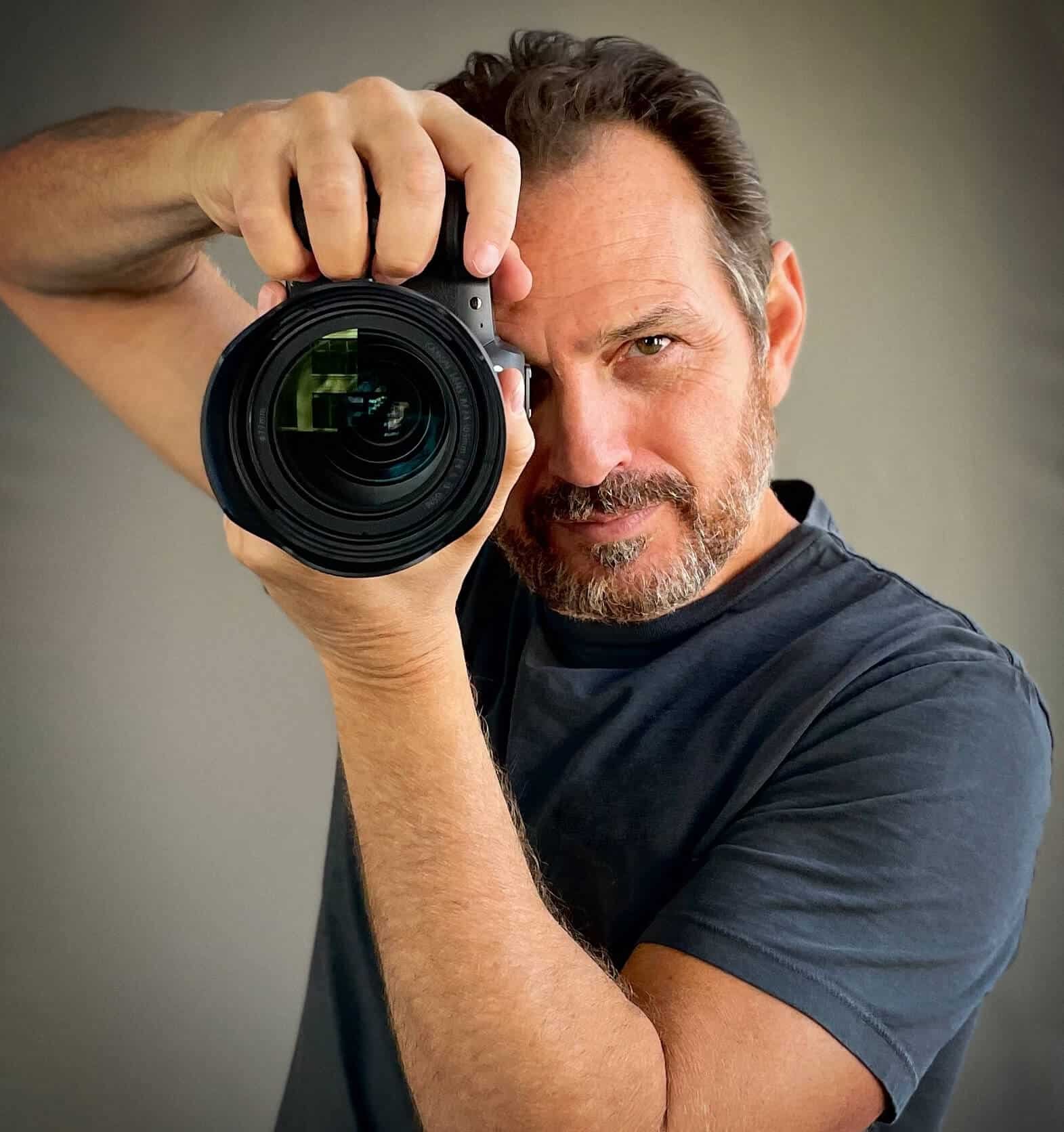
Before a patient books an appointment with you, they’ve already formed an opinion. They’ve visited your practice website, checked your Healthgrades profile, looked you up on Zocdoc, and in each of those places, your photograph was part of the evidence they used to decide whether to trust you. That decision happens quickly, often unconsciously, and well before your first conversation.
For physicians, dentists, and healthcare professionals in New York City, a professional headshot isn’t a formality. It’s a patient communication tool, one that’s working on your behalf every day, across every platform where your name appears. This guide walks you through why medical headshots carry unique weight, what makes a great one, and how to prepare for a session that produces an image your patients will genuinely respond to.
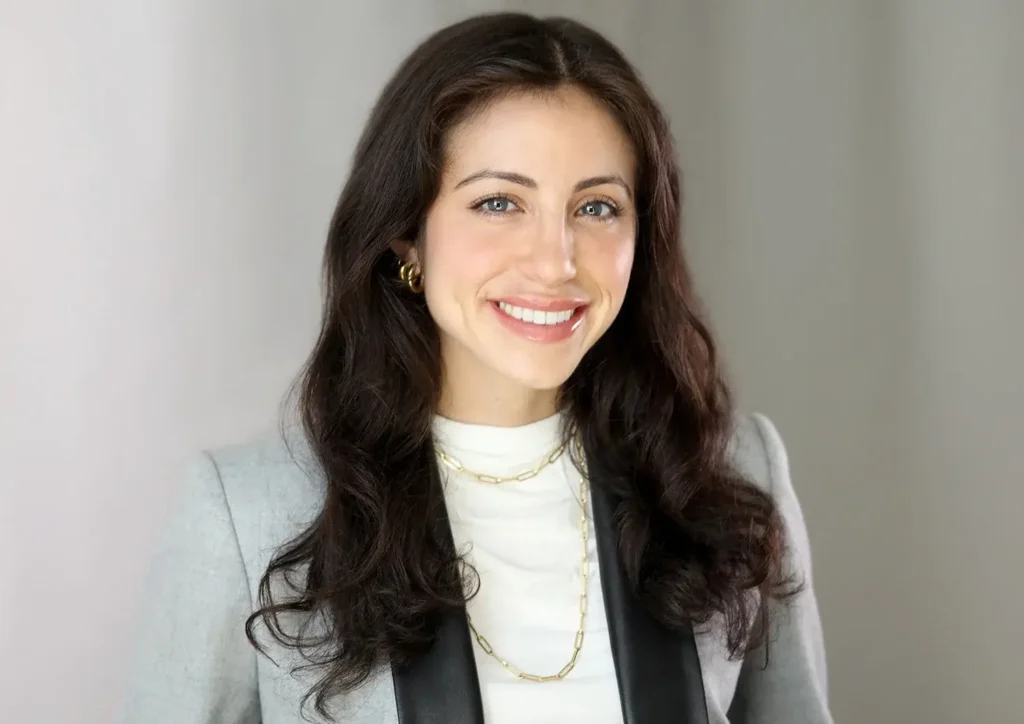
Why Patients Research Their Doctors Online, and What They’re Looking For
A professional doctor headshot builds patient trust before the first appointment. Studies consistently show that the majority of patients research physicians online before booking, and the headshot is often the first impression they form. A great medical portrait communicates clinical competence, approachability, and the kind of warmth that makes a patient feel comfortable enough to reach out.
That’s a different kind of image than most professional headshots are asked to produce. It’s worth understanding exactly why.
The Online Patient Journey Before the First Appointment
Consider what a new patient actually does before they call your office. They might start with their insurance company’s directory, or with a referral from their GP. They search your name. They land on your practice website, your Healthgrades profile, and your Zocdoc listing, often all three, often within a few minutes of each other. In each of those places, your photograph appears alongside your credentials.
By the time they pick up the phone or click “book appointment,” they’ve formed a significant impression of who you are as a person, not just as a clinician. Your board certifications and hospital affiliations communicate your qualifications. Your photograph communicates something different, and equally important: whether you seem like someone they could be honest with.
What the Photo Communicates That Words Cannot
A patient reading your bio can learn where you trained, what you specialize in, and how many years you’ve been in practice. What they cannot learn from a bio, but can sense from a photograph, is whether you seem approachable enough to describe a symptom they’re embarrassed about. Whether you seem patient enough to answer a question they think might be obvious. Whether you seem human.
For patients who are anxious about a diagnosis, navigating a new health concern, or simply walking into an unfamiliar clinical environment, that sense of human warmth in a photograph can be the deciding factor between reaching out and waiting. A cold or overly formal medical portrait doesn’t just fail to help, it can actively increase the anxiety a patient is already feeling. For more on how professional images shape first impressions, take a look at our guide to why corporate headshots are important and five facts about your online presence.
Where Your Medical Headshot Appears, and What Each Platform Expects
One of the most useful things a physician can understand before booking a headshot session is the full range of contexts their image will appear in. The same photograph gets used across multiple platforms simultaneously, each with a different audience, different display size, and different expectation of what the image should communicate.
Platform | Audience | What the image must communicate | Key consideration |
Practice website | New and existing patients | Warmth, approachability, human presence | Professional attire often works better than white coat, more personable |
Healthgrades | Patients actively searching for a doctor | Trustworthiness and approachability | Strong, warm expression is a competitive differentiator among listings |
Zocdoc | Patients booking appointments online | Instant trust, decision is being made in the moment | Photo appears very small, clarity and warmth at small size matters |
Doximity | Referring physicians and medical peers | Professional credibility and seniority | More formal register appropriate, closer to LinkedIn than patient-facing platforms |
Hospital directory | Patients referred within the system | Clinical authority within the institutional context | White coat often expected; high-res delivery essential |
Insurance network listings | Patients searching by coverage | Reassurance and competence | Often displayed very small, face must be clear and readable at any size |
Press and media | Journalists, editors, general public | Authority and credibility as a medical expert | High resolution essential; must stand alone without context |
Speaking and conference profiles | Healthcare professionals and patients | Thought leadership and engagement | Let the photo communicate the person, not just the title |
The same headshot will appear across most of these platforms simultaneously. A high-quality, professionally shot portrait is the only option that holds up in all of them, from a tiny Zocdoc thumbnail to a full-page hospital directory profile, from an insurance listing to a press feature. For a sense of what professional studio portraits look like in practice, browse the in-studio corporate headshots gallery.
What Makes a Great Medical Headshot: Warmth, Competence, and the Balance Between Them
Most professional headshots are asked to communicate authority and credibility above all else. A medical headshot is asked to do something subtly but importantly different, and understanding that difference is what separates a medical portrait that works from one that merely looks professional.
The Warmth-Competence Balance in Medical Photography
In law, the dominant visual requirement is authority, with warmth as a supporting quality. In medicine, the balance shifts. Warmth becomes the lead signal, with competence as the frame.
Patients evaluating a physician from a photograph are not primarily asking “does this person seem qualified?”, they can read the credentials in the bio. They are asking something closer to: does this person seem like someone I can be honest with? Someone I can ask questions of without feeling judged? Someone who will take the time to explain what’s happening to me? Those are warmth questions, and they are answered, or not answered, by the expression, the posture, and the overall quality of human presence in the image.
A portrait that projects pure clinical authority can actually undermine this by making the physician appear unreachable. The goal is an image that communicates both: clearly expert, and clearly human.
Expression, The Most Important Element
A genuine, natural smile reads very differently in a medical context from how it reads in a corporate or legal one. Where a financial executive or litigator with a broad smile might appear to undermine their professional gravity, a physician with a warm, natural smile is communicating exactly what patients need to see, that this is someone approachable, engaged, and present.
The key word is genuine. A performed smile, held for a camera by someone who is self-conscious or uncomfortable, reads as precisely that: performed. Patients can feel the difference, even if they can’t articulate it. What produces the right result is not the instruction to smile, but the specific physical coaching and direction that creates the conditions for genuine warmth to emerge naturally.
Background, Attire, and Professional Context
Most medical headshots work best with clean studio backgrounds, neutral grey or warm white, that communicate professionalism without the sterile coldness of a hospital environment. The background should read as professional without being institutional.
The question of white coat versus professional business attire is a genuinely important one for medical professionals, and the answer depends on where the images will be used. Hospital system directories and insurance network listings often expect the white coat, it signals clinical authority and professional identity within that context. Practice websites and any patient-facing platform where approachability is a competitive differentiator often work better with professional attire, which reads as more personal and less institutional. The best approach, if your session allows for it, is to shoot both. For a complete guide to wardrobe choices beyond the white coat question, see our complete style guide for professional headshots.
Why Medical Professionals Often Photograph as More Formal Than They Are, and How to Fix It
There’s a pattern that experienced photographers who work with healthcare professionals recognize almost immediately. It’s not unique to medicine, but it’s particularly pronounced there, and it’s worth naming directly because understanding it makes the session significantly more productive.
The Clinical Composure Problem
Physicians spend years developing the ability to remain calm, composed, and in control in high-pressure clinical environments. That emotional regulation is genuinely essential in a hospital or clinic, and it becomes deeply habitual over time. In front of a camera, it photographs as something quite different from warmth: a composed, professional face that reads as distant, guarded, or simply blank rather than engaged.
This is not a character issue, it’s a training issue. And it’s nearly universal among medical professionals who haven’t been photographed by a skilled directing photographer. Standard direction, “just relax,” “look natural,” “give me a smile”, does very little to break through this reflex because it doesn’t give the subject anything specific to do. What actually works is concrete physical coaching: where exactly to direct the gaze, how to hold the jaw, the precise moment to let an expression settle rather than hold it, the specific physical adjustments that produce genuine warmth rather than its performance.
What Active Direction Looks Like in a Medical Headshot Session
At Gorn Photo, Lev Gorn actively coaches every client throughout the session, not just technically, in terms of lighting and framing, but as a director working with the specific person in front of him. For medical professionals, the goal is to draw out the warmth and engaged presence that patients experience in a good clinical consultation, and translate that quality into a still image.
The pre-shoot consultation covers everything relevant before the camera comes out: your specialty and practice type, which platforms the images will be used on, the tone you’re aiming for, and whether your images need to match an existing visual style across your practice or hospital system. By the time the session begins, the approach is already calibrated to produce exactly what your professional context requires.
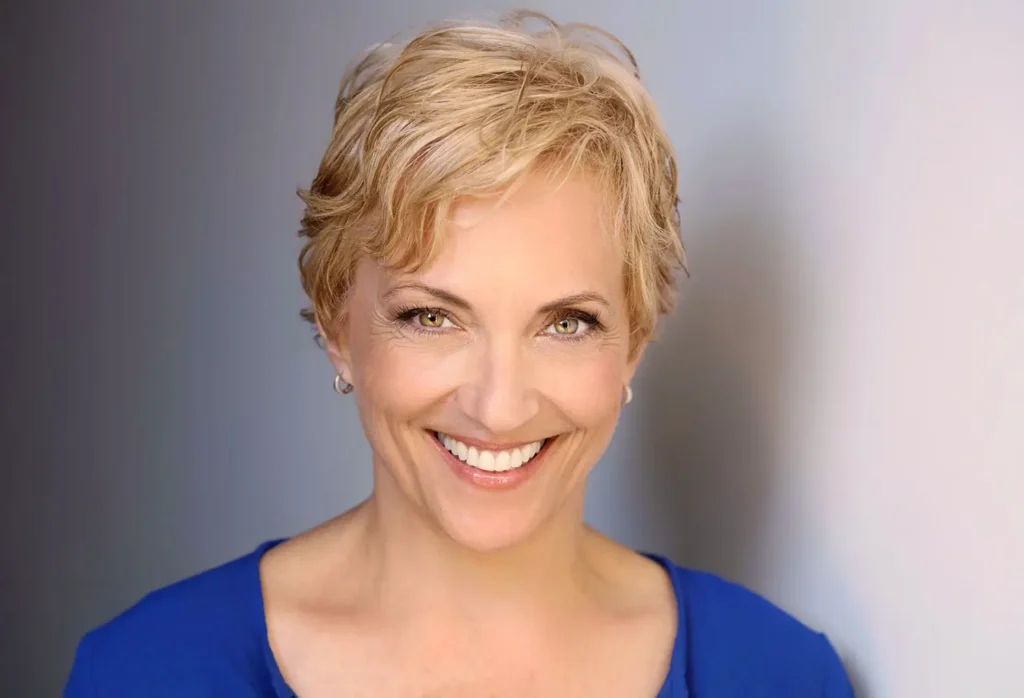
How to Prepare for Your Medical Headshot Session
White Coat or Professional Attire, How to Decide
This is the wardrobe question most physicians ask first, and the honest answer is: it depends on where the images will be used.
For hospital system directories, insurance network profiles, and any platform where the clinical context is the primary message, a white coat is typically the appropriate standard. It communicates professional identity and clinical authority within an institutional framework.
For practice websites and any patient-facing platform where approachability is a meaningful differentiator, professional business attire often works better. It reads as more personable, more human, and less institutional, qualities that matter when a patient is deciding whether to reach out.
If your session allows for multiple outfit changes, the most practical approach is to shoot both. All Gorn Photo individual sessions include unlimited shooting time, so switching between looks is straightforward. Bring both options and decide with Lev Gorn on the day. For a full guide to everything else to wear, colors, fit, what to avoid, see our complete wardrobe guide for professional headshots.
What to Communicate Before Your Session
The more context your photographer has in advance, the more efficiently the session can be directed. Before your Gorn Photo session, it’s worth thinking through and sharing the following:
Your specialty and practice type, primary care, surgical subspecialty, academic medical center, private practice, or concierge medicine each carry different visual expectations. Which platforms the images will appear on, the emphasis shifts depending on whether Healthgrades, a hospital directory, or your own practice website is the primary destination. Whether your images need to match existing team photos in lighting, background, and tone, consistency matters if your portrait will sit alongside other physicians on a website or directory. And the overall tone you’re aiming for, clinical and authoritative, warm and accessible, or both.
Gorn Photo’s pre-shoot consultation is the most efficient way to work through these decisions before the session begins.
Practical Day-of Considerations
If your schedule allows, try not to arrive directly from a long shift. Fatigue is visible in the eyes in a way that is extremely difficult to correct in retouching, and eyes are the single most important element of a medical portrait.
Consider the professional makeup and hair service ($350 for women, $250 for men). Camera lighting, particularly studio flash, is significantly stronger than office or hospital lighting, and makeup that looks appropriate in a clinical environment can appear lighter on camera than it does in person. The Gorn Photo makeup artist understands how to prepare for studio lighting conditions specifically, stays for the full session, and makes adjustments throughout to ensure everything looks right in the images, not just in the mirror. For physicians whose portraits will appear in high-resolution hospital directory or press contexts, the difference is genuinely noticeable.
Planning Headshots for a Medical Practice or Hospital Team
If you’re a practice manager, chief of staff, or marketing director planning headshots for a group of physicians, the visual consistency of the result matters as much as the quality of any individual image.
Consistency Across a Practice’s Physician Roster
When a hospital system or private practice has physicians photographed by different photographers at different times, or with a mix of professional headshots and informal phone photos, the “Meet Our Team” page looks assembled by accident rather than designed with intent. Patients and referring physicians notice this, even if they don’t consciously register why.
A unified set of portraits, same lighting approach, same background, same tonal register across all seniority levels, communicates organizational quality and makes the practice appear as a cohesive, well-run team. It is one of the highest-impact improvements a practice can make to its online presence without redesigning the entire website.
Gorn Photo works with medical practices and hospital teams of all sizes, either at the Midtown NYC studio or on-site at your location. For a full guide to planning a team headshot day, see our article on organizing corporate headshots for your team. For larger-scale physician photography days, corporate event photography packages are also available.
Doctor Headshots at Gorn Photo NYC
Gorn Photo works with physicians, dentists, and healthcare professionals across New York City, from individual practitioners updating their profiles to hospital teams standardizing portraits across their physician rosters. Every session is led by Lev Gorn, with 20+ years of experience directing professional headshots in NYC, and includes active on-camera coaching throughout.
The studio is located at 45 W 34th Street, Studio 707, centrally positioned in Midtown Manhattan and easily accessible from hospital campuses and medical offices throughout the city. On-site sessions are available for practices and hospital teams who prefer to shoot at their own location.
For a full breakdown of what each package includes and costs, see our NYC corporate headshot pricing guide and the complete packages and rates page.
The Corporate Headshot package is the right choice for physicians who need a clean, professionally directed portrait for their practice website, professional profiles, and patient-facing platforms, efficiently delivered with same-day turnaround on color-corrected images.
The Deluxe Corporate Headshot package ($1,050) includes two outfit changes, well suited to the white coat plus professional attire approach described above, a professional makeup and hair artist on set for the full session, and two professionally retouched headshots. This is the right option for physicians whose images will appear in high-resolution hospital directory or press contexts, where the quality of the final image carries the most weight.
For the full list of what each package includes, visit our doctor headshots page and the packages and rates page.
Your Headshot Is Already Talking to Your Patients
Every day your current photograph is live on your practice website, your Healthgrades profile, and your hospital directory listing, it’s forming impressions and influencing decisions you’re not even aware of. A professional medical portrait that communicates warmth, competence, and genuine human presence is doing quiet, consistent work on your behalf, reassuring patients before the first call, and building the kind of trust that brings them through the door.
Don’t leave that first impression to a photo that doesn’t represent you at your best. Reach out to Gorn Photo to schedule your session and take the first step toward a more powerful professional presence.